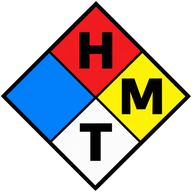
Column 3: Hazard Class or Division
Column 3 lists the hazard class or division for a material — one of the nine DOT hazard classes, a numbered division within a class (like 2.1 or 4.3), or the word "Forbidden" if the material can't be shipped at all.
Column 3 tells you which of the nine hazard classes a material falls into. This is the single most consequential column in the entire table — it determines which labels go on the package, which placards go on the vehicle, and which packaging requirements apply. Everything downstream in the shipping process traces back to this one column.
What am I looking at?
Next to a material's proper shipping name, Column 3 shows either a hazard class number (1 through 9), a division within that class written as a decimal (2.1, 2.2, 2.3, 3, 4.1, 4.2, 4.3, 5.1, 5.2, 6.1, 6.2, 7, 8, 9), or the single word "Forbidden." A division exists because some classes — explosives and flammable materials among them — cover a wide enough range of behavior that a single class number isn't specific enough to determine handling.
What does it mean?
The hazard class is the regulatory "type" of danger the material poses: explosive, gas, flammable liquid, flammable solid, oxidizer, toxic, radioactive, corrosive, or miscellaneous. Once you know the class, you know which label design applies, which segregation rules govern what it can and can't be shipped next to, and which packaging performance standards it has to meet. A material's hazard class doesn't change based on how much of it you're shipping — that's a different column (see Quantity Limitations, Column 9) — but the class itself is fixed to the material.
A practical example
Acetone is Class 3 (Flammable Liquid). That single classification drives the required flammable-liquid label, the packaging performance standards for flammable liquids, and the segregation distance required from oxidizers during transport. Change the material to something in Class 8 (Corrosive) instead, and every one of those downstream requirements changes with it — different label, different packaging rules, different segregation table entries.
Common mistake
Treating "hazard class" and "packing group" as the same thing. They're not — hazard class is the type of hazard (flammable, corrosive, toxic, etc.), while packing group (Column 5) is the severity within that type. Two materials can share the same hazard class but have very different packing groups, which changes their packaging requirements even though the underlying hazard type is identical.
What should I check next?
Once you have the hazard class, check Column 4 (identification number) to get the material's UN/NA number, then Column 5 (packing group) to understand severity, then Column 9 (quantity limitations) if you're shipping by air or rail. The hazard class is the starting point — the columns that follow build on it.
Look up a material's hazard class
Related columns
- ← Back to all 10 columns
- Column 9: Quantity limitations →
- What is a packing group? (Column 5)
- All 9 DOT hazard classes explained